
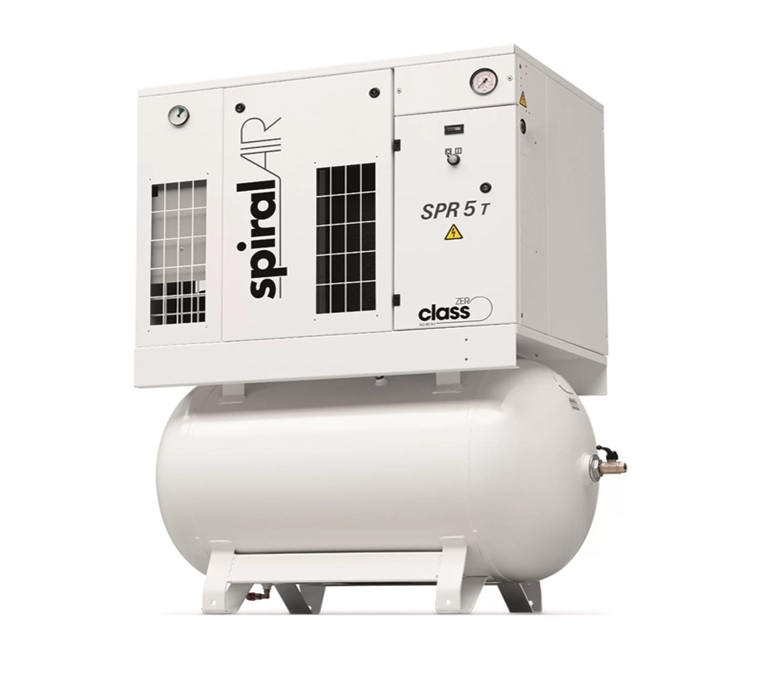
In a chemical manufacturing plant, compress is more than just a utility. It supports production, keeps equipment running, and even comes into direct contact with raw materials and finished products in many applications. Because of this, the quality of compressed air plays an essential role in ensuring product consistency, workplace safety, and smooth plant operations. Even a minor amount of moisture or oil contamination can result in production issues, equipment damage, or expensive downtime.
Why Compressed Air Is Essential in Chemical Plants
Compressed air is used across several stages of chemical production. One of its most common uses is pneumatic conveying, where air moves powders, granules, and other raw materials safely through pipelines. This method reduces manual handling and helps transport hazardous substances efficiently.
It is also widely used as process air during chemical reactions, where air directly interacts with the product. Since the compressed air becomes a part of the manufacturing process, it must remain clean and free from contaminants. In addition, compressed air powers pneumatic valves, instruments, and automated systems that keep production lines operating accurately and reliably.
The Importance of Clean and Dry Air
Air quality is critical in chemical manufacturing because contamination can affect the result of the final product. Oil, moisture, and even tiny particles entering the compressed air system may interfere with chemical reactions or reduce product quality. Many of these chemicals are highly sensitive to moisture. When damp air comes into contact with these materials, it can lead to unwanted reactions, material clumping, or even pose safety risks. Likewise, oil contamination can damage catalysts used during production, resulting in costly replacements and process interruptions.
Improving Efficiency While Reducing Costs
Chemical plants often operate continuously, making energy efficiency an important consideration. Compressors that consume less energy can significantly reduce operating costs over time. Modern systems equipped with Variable Speed Drive (VSD) technology automatically adjust compressor output based on air demand. This prevents unnecessary energy consumption during periods of lower usage.
Air dryers are another important part of the system. They remove moisture from the compressed air and maintain extremely low dew points, helping protect both products and equipment. Additionally compressor designed with corrosion-resistant materials perform better in the demanding environments commonly found in chemical plants, increasing reliability and reducing maintenance needs.
Choosing the Right Compressed Air Solution
When selecting a compressed air system for chemical applications, reliability, air purity, and long-term operational costs should be considered. Oil-free compressor technology offers an added level of protection by preventing contamination at the source rather than relying only on filters.
A properly designed compressed air system like the one from Chicago Pneumatic not only supports consistent production but also improves safety, protects valuable equipment, and minimises unexpected downtime. Investing in high-quality compressed air solutions allows chemical manufacturers to maintain efficient operations while meeting strict quality and safety standards.
