
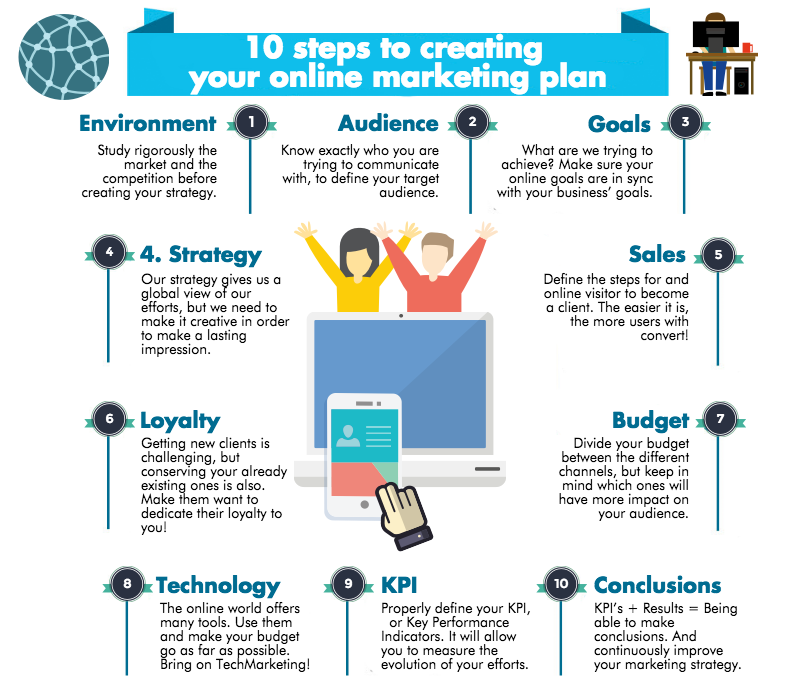
Building an online business is easier than ever, but sustaining growth over time is far more challenging. Many digital ventures start strong yet struggle to remain profitable because planning focuses on speed rather than stability. A well-structured online business plan helps align goals, resources, and decision-making so growth happens steadily, not unpredictably.
Below are practical, experience-backed planning tips that help online businesses grow without burning out teams, budgets, or customer trust.
Start With Clear, Measurable Business Objectives
Sustainable growth begins with clarity. Vague goals like “increase traffic” or “grow revenue” make planning ineffective because they lack direction.
Define objectives that are:
-
Specific – Focus on clear outcomes such as monthly recurring revenue or customer retention rates
-
Measurable – Use numbers that can be tracked over time
-
Time-bound – Attach realistic deadlines to every goal
Clear objectives help prioritize tasks and prevent scattered efforts across too many digital channels.
Understand Your Digital Customer Deeply
Online growth depends heavily on how well you understand your audience’s behavior, expectations, and pain points.
Strong planning includes:
-
Mapping customer journeys from first click to repeat purchase
-
Identifying common drop-off points in funnels
-
Understanding buying triggers, not just demographics
This insight allows you to design products, content, and offers that remain relevant as your audience evolves.
Build a Scalable Digital Business Model
Growth planning should account for increased demand without proportionally increasing costs or complexity.
When planning your model, focus on:
-
Automation opportunities in sales, marketing, and support
-
Repeatable processes that reduce manual intervention
-
Flexible pricing structures that support long-term value
A scalable model ensures growth strengthens the business instead of stretching it thin.
Plan Technology Choices With the Long Term in Mind
Technology decisions made early often shape how easily an online business can scale later. Short-term tools may work initially but can limit flexibility as operations expand.
Smart planning considers:
-
Integration capabilities with future tools
-
Data ownership and portability
-
Vendor reliability and long-term costs
Choosing adaptable technology reduces future migration risks and operational disruptions.
Balance Marketing Growth With Brand Consistency
Rapid digital growth can dilute brand identity if marketing efforts become inconsistent across platforms.
Your plan should define:
-
Core brand messaging and tone
-
Visual guidelines for digital assets
-
Content standards across channels
Consistency builds trust, which is essential for sustainable online expansion.
Focus on Financial Planning, Not Just Revenue
Revenue growth alone does not guarantee stability. Sustainable digital businesses plan for profitability, cash flow, and cost control from the start.
Key financial planning areas include:
-
Customer acquisition cost versus lifetime value
-
Predictable operating expenses
-
Emergency reserves for market fluctuations
Financial discipline allows businesses to survive slow periods and invest confidently during growth phases.
Review, Measure, and Adjust Regularly
Online markets change quickly. A static plan becomes outdated faster than most business owners expect.
Effective planning includes:
-
Regular performance reviews using clear metrics
-
Testing assumptions against real data
-
Adjusting strategies without emotional bias
Continuous refinement keeps the business aligned with market realities rather than outdated expectations.
Prioritize Systems Over Hustle
Sustainable digital growth is built on systems, not constant urgency. Planning should reduce dependence on founders working longer hours.
Strong systems include:
-
Documented workflows
-
Clear role responsibilities
-
Reliable performance tracking
Systems free up time for strategic thinking instead of constant firefighting.
FAQ
1. Why is online business planning important for long-term growth?
It provides structure, reduces uncertainty, and ensures growth decisions are aligned with financial and operational capacity.
2. How often should an online business plan be updated?
Ideally, plans should be reviewed quarterly and adjusted based on performance data and market changes.
3. Can small online businesses benefit from formal planning?
Yes. Planning helps small businesses avoid costly mistakes and scale more efficiently with limited resources.
4. What is the biggest mistake in digital business planning?
Focusing only on revenue growth while ignoring systems, costs, and customer experience.
5. How detailed should a digital growth plan be?
It should be detailed enough to guide decisions but flexible enough to adapt to change.
6. Does sustainable growth mean slower growth?
Not necessarily. It means growth that can be maintained without harming operations, finances, or customer trust.
7. What role does data play in online business planning?
Data validates assumptions, highlights inefficiencies, and guides smarter strategic adjustments over time.
