
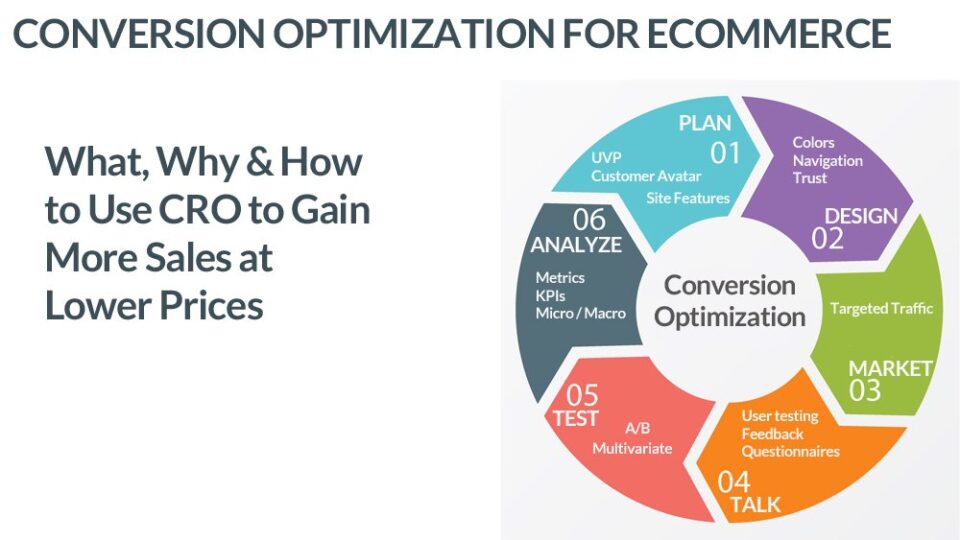
Running an e-commerce business often feels like a numbers game, but many conversion issues don’t come from traffic volume or ad spend. They stem from small, easily overlooked mistakes that slowly chip away at customer confidence. These issues rarely trigger alarms in analytics tools, yet they influence buying decisions every day.
Understanding and fixing these silent blockers can lead to steady, sustainable improvements in sales without chasing more visitors.
Unclear Value Proposition on Key Pages
Visitors decide within seconds whether a store is worth their time. If your homepage or product pages fail to clearly explain what you sell, who it’s for, and why it’s better, conversions drop quietly.
Common issues include:
-
Generic headlines that could apply to any store
-
Benefits hidden under long descriptions
-
No clear differentiation from competitors
A strong value proposition should be visible above the fold and repeated consistently across key pages.
Overcomplicated Navigation Structures
When shoppers struggle to find products, they don’t complain. They leave.
Navigation mistakes that hurt conversions include:
-
Too many menu categories
-
Confusing product labels
-
Poor filtering options on category pages
Simple, intuitive navigation reduces friction and keeps users focused on purchasing instead of searching.
Weak Product Pages That Don’t Answer Objections
A product page should do more than display images and prices. If it fails to address common buyer concerns, hesitation builds.
Conversion-killing gaps often include:
-
Lack of detailed product specifications
-
No sizing guides, usage instructions, or FAQs
-
Limited or generic product images
Every unanswered question becomes a reason to delay or abandon the purchase.
Unexpected Costs at Checkout
Hidden fees are one of the most common reasons shoppers abandon carts, yet many stores still rely on them.
Quiet conversion killers include:
-
Shipping costs revealed late
-
Taxes appearing only at the final step
-
Mandatory add-ons without clear explanation
Transparency early in the buying journey builds trust and reduces last-minute exits.
Slow Page Load Speeds
Speed affects perception more than most store owners realize. Even a one-second delay can change how professional and reliable your brand feels.
Performance-related issues include:
-
Unoptimized images
-
Excessive third-party scripts
-
Poor mobile performance
Fast-loading pages improve both user experience and conversion consistency.
Poor Mobile Experience
Mobile traffic dominates e-commerce, but many stores still prioritize desktop layouts.
Common mobile mistakes:
-
Buttons that are hard to tap
-
Forms that require too much typing
-
Pop-ups that block key content
If mobile shopping feels inconvenient, users postpone purchases or move to competitors with smoother experiences.
Lack of Trust Signals at Critical Moments
Trust is fragile in online shopping. When reassurance is missing, hesitation rises.
Important trust signals often overlooked:
-
Clear return and refund policies
-
Secure payment indicators
-
Visible customer support options
These elements don’t push sales aggressively, but their absence quietly holds conversions back.
Ignoring Micro-Commitments
Not every visitor is ready to buy immediately. Stores that only focus on final purchases miss opportunities to nurture intent.
Missed micro-commitments include:
-
Email sign-ups for abandoned carts
-
Save-for-later options
-
Wishlist functionality
These small actions keep users connected to your store and increase future conversion chances.
FAQ: E-commerce Conversion Rate Optimization
1. How do I identify which mistake is hurting my conversions the most?
Start by reviewing user behavior data such as bounce rates, cart abandonment, and session recordings to spot friction points.
2. Can small design changes really impact conversion rates?
Yes. Minor improvements in clarity, speed, or usability often produce measurable gains without major redesigns.
3. How often should I test changes on my e-commerce site?
Regular testing is ideal. Even quarterly reviews can uncover new issues as customer behavior evolves.
4. Do trust signals matter for established brands too?
Absolutely. Trust indicators reassure first-time visitors and reinforce confidence for returning customers.
5. Is free shipping always better for conversions?
Not always, but clear and predictable shipping costs tend to outperform surprise fees at checkout.
6. How important are product reviews for conversion rates?
Reviews provide social proof and reduce uncertainty, especially for higher-priced or unfamiliar products.
7. Should conversion optimization focus more on desktop or mobile users?
Mobile should often take priority, as it represents a growing share of traffic and has higher sensitivity to usability issues.
